
by Dr. Ramachandran G | Jan 23, 2026 | Bringing "Back Health"
Can medication completely cure a disc prolapse? No “magic elixir” exists to permanently reverse spinal aging or provide a total structural reset for a prolapsed disc. While medications, physiotherapy, and surgery are highly effective at managing symptoms...
by Dr. Ramachandran G | Jan 21, 2026 | Bringing "Back Health"
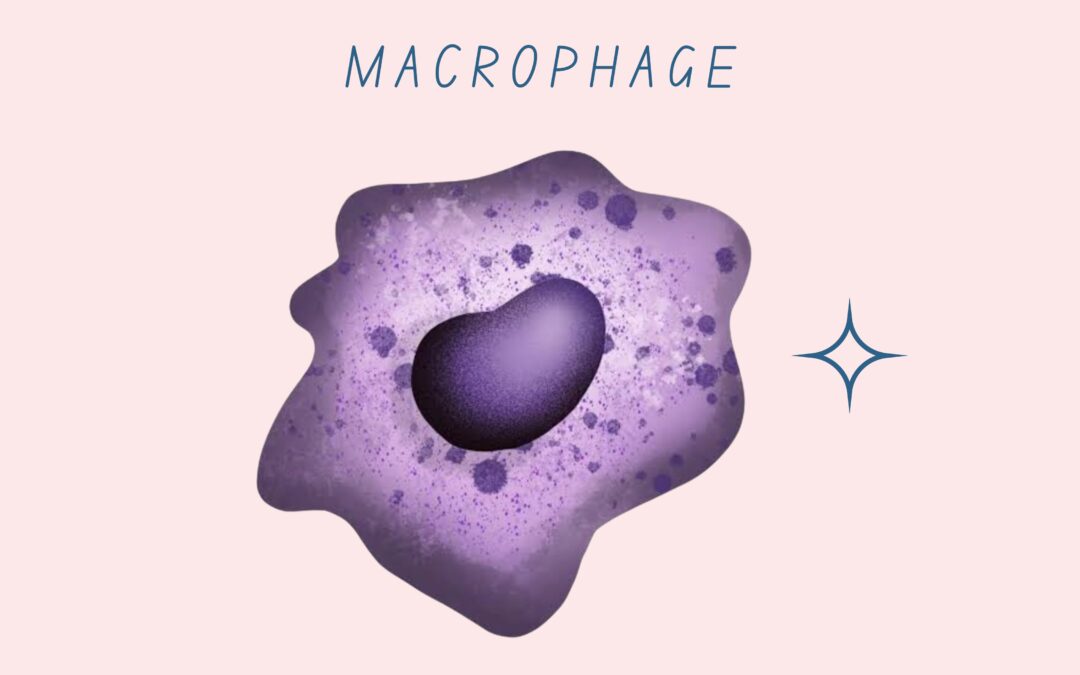
Is surgery mandatory for a disc prolapse ?No, surgery is not always required because a prolapsed disc can heal naturally through the immune system. When the nucleus pulposus herniates into the spinal canal and causes sciatica, the body initiates a process called...

by Dr. Ramachandran G | Jan 13, 2026 | Bringing "Back Health"
How is a disc prolapse similar to a volcanic eruption?A disc prolapse occurs much like a volcano: when internal pressure becomes too great, the disc’s tough outer wall (the annulus) ruptures like the Earth’s crust. This allows the soft inner gel to leak out...
by Dr. Ramachandran G | Dec 23, 2025 | CASE STUDIES
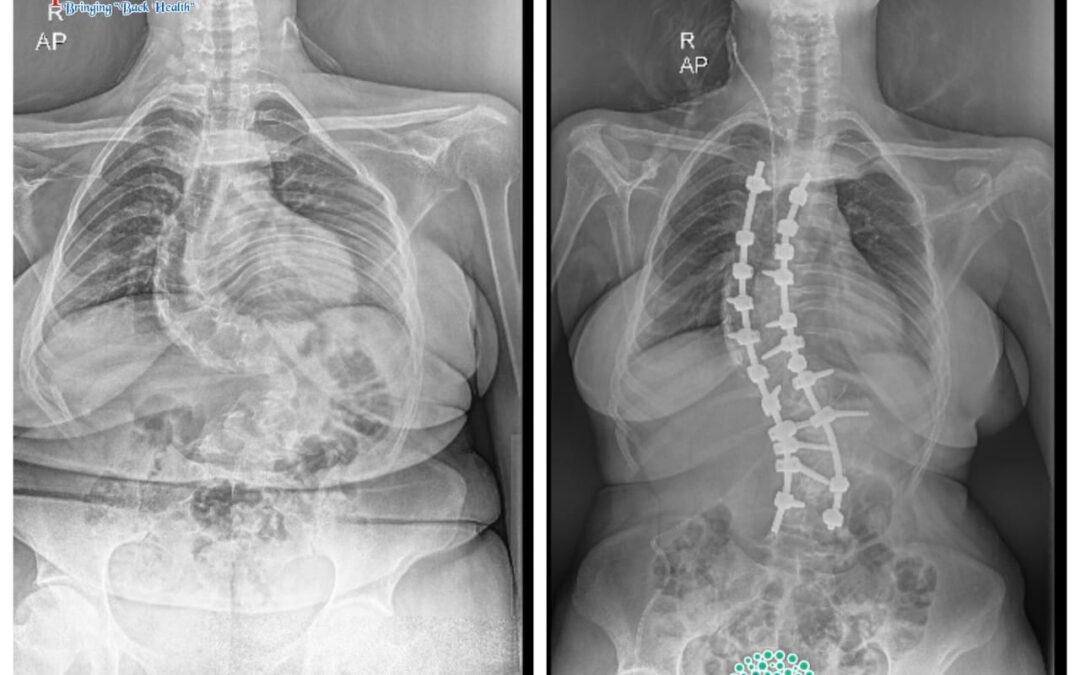
Successful Correction of a 100° “Omega” Deformity We are thrilled to share the successful recovery of an 18-year-old medical aspirant suffering from Marfan Syndrome and a complex “Omega” scoliosis deformity (curve >100°). Given the severity...
by Dr. Ramachandran G | Dec 17, 2025 | Bringing "Back Health"
What is Omega Spine Deformity? An Omega Spine Deformity is an extreme and complex form of kyphoscoliosis where the spinal curvature becomes so severe—often exceeding 180degree circle—that the vertebral column mimics the shape of the Greek letter Omega. In these cases,...
